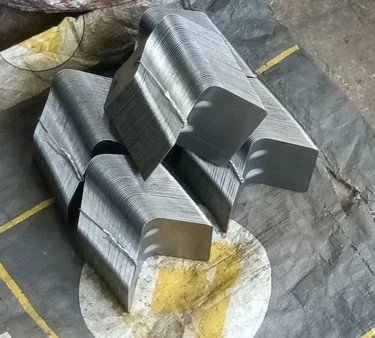
Sheet Metal Components
Sheet Metal Components are essential parts manufactured from flat sheet metal using various processes such as cutting, bending, punching, stamping, and welding. These components are used in a wide range of industries due to their versatility, strength, and ability to be produced in high volumes.
Key Processes Used in the Manufacturing of Sheet Metal Components:
- Cutting: Sheet metal is cut into specific shapes using techniques like laser cutting, shearing, or water jet cutting. Cutting can be done to create intricate shapes or simple straight cuts.
- Bending: Sheet metal components are bent into desired angles using bending machines like press brakes. This process allows for the creation of 3D shapes, such as boxes or enclosures.
- Stamping: Stamping is a mass production process where a die is used to stamp out shapes from a flat sheet of metal. This method is commonly used for components such as automotive body parts and appliance casings.
- Punching: This process involves using a punching tool to make holes or other shapes in the sheet metal. It is widely used for components like brackets, frames, and panels.
- Deep Drawing: In this process, a flat sheet metal is drawn into a die to create deeper, more complex shapes, such as cylinders or cups. Deep drawing is commonly used in the production of automotive body panels and kitchen equipment.
Applications of Sheet Metal Components:
- Automotive Industry: Components like body panels, chassis, and structural parts are made using sheet metal.
- Aerospace: Lightweight and durable sheet metal components are used for aircraft frames, fuselages, and parts of engines.
- Construction: Sheet metal components such as roofing panels, siding, and frames are widely used in residential and commercial construction.
- Electronics and Appliances: Sheet metal is used for making enclosures, panels, and structural parts of household appliances, consumer electronics, and industrial machinery.
- HVAC: Sheet metal components like ducts, vents, and heat exchangers are crucial in HVAC systems.
- Medical Equipment: Sheet metal is used in medical equipment for creating durable, sterile enclosures and structural components.
- Furniture: Sheet metal components are used in furniture design, such as metal frames, desks, and shelving units.
Quality Control and Maintenance:
To ensure the durability and functionality of sheet metal components, it is essential to conduct proper quality control checks such as:
- Measuring the thickness and dimensions of the metal.
- Inspecting for defects like cracks, warping, or improper bends.
- Performing tests for strength, hardness, and corrosion resistance.